M² Lab
Microwave Magnonics Lab at Chungbuk National University — advancing magnon-based platforms for quantum information, neuromorphic computing, and spin-wave signal processing.
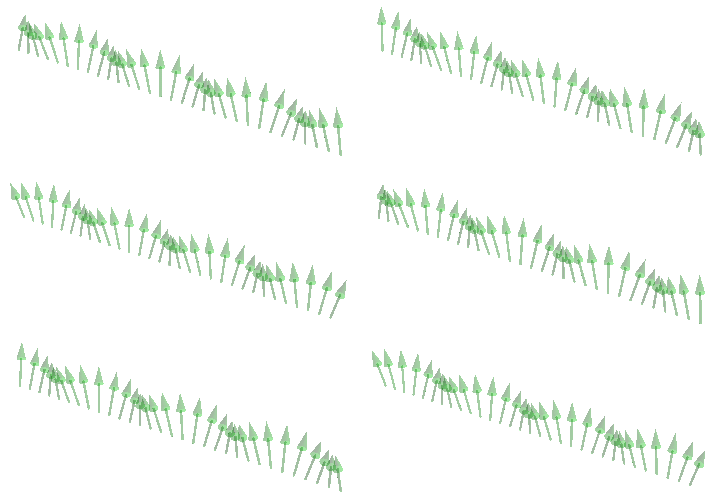
Microwave Magnonics Lab at Chungbuk National University — advancing magnon-based platforms for quantum information, neuromorphic computing, and spin-wave signal processing.
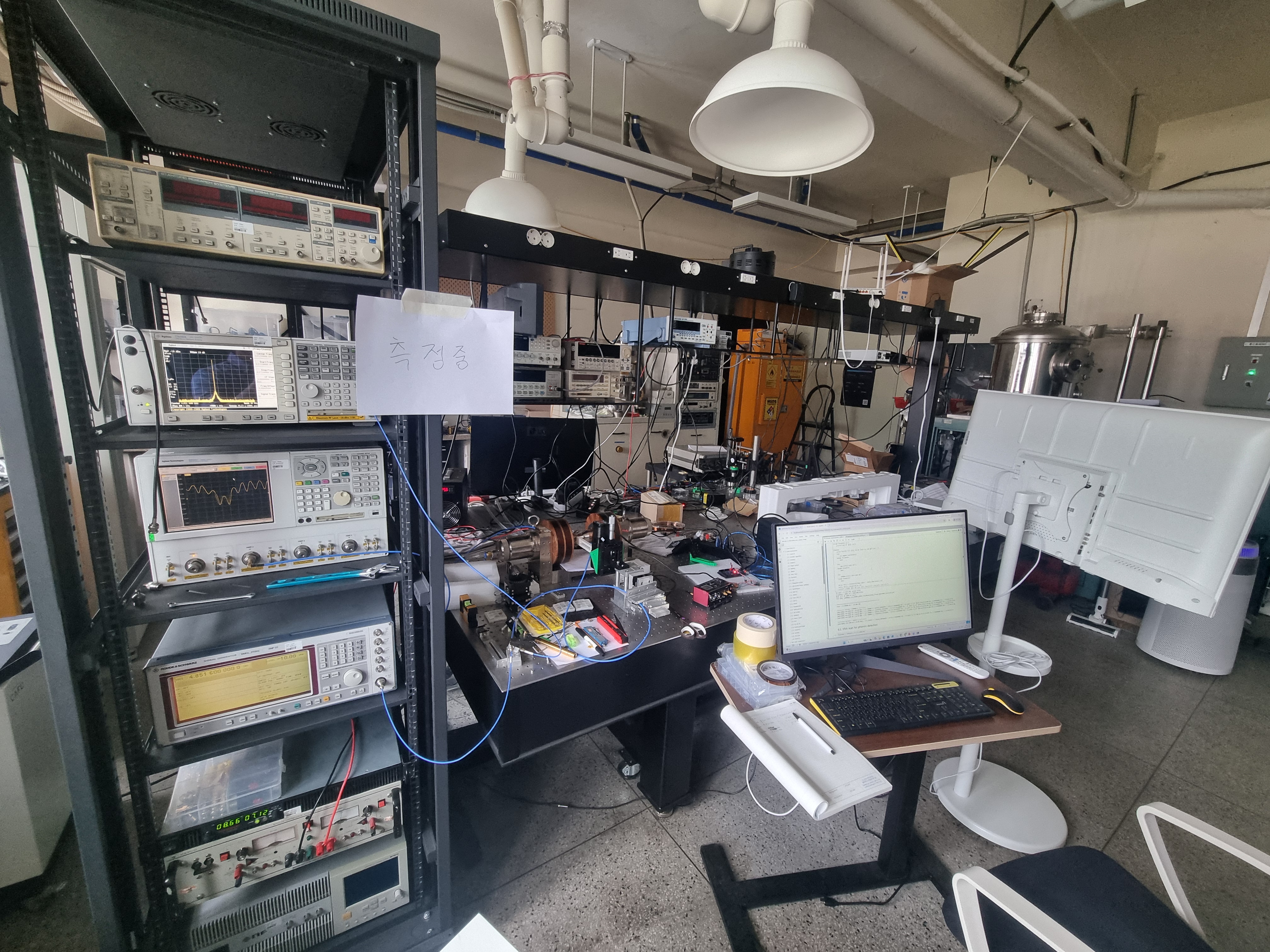
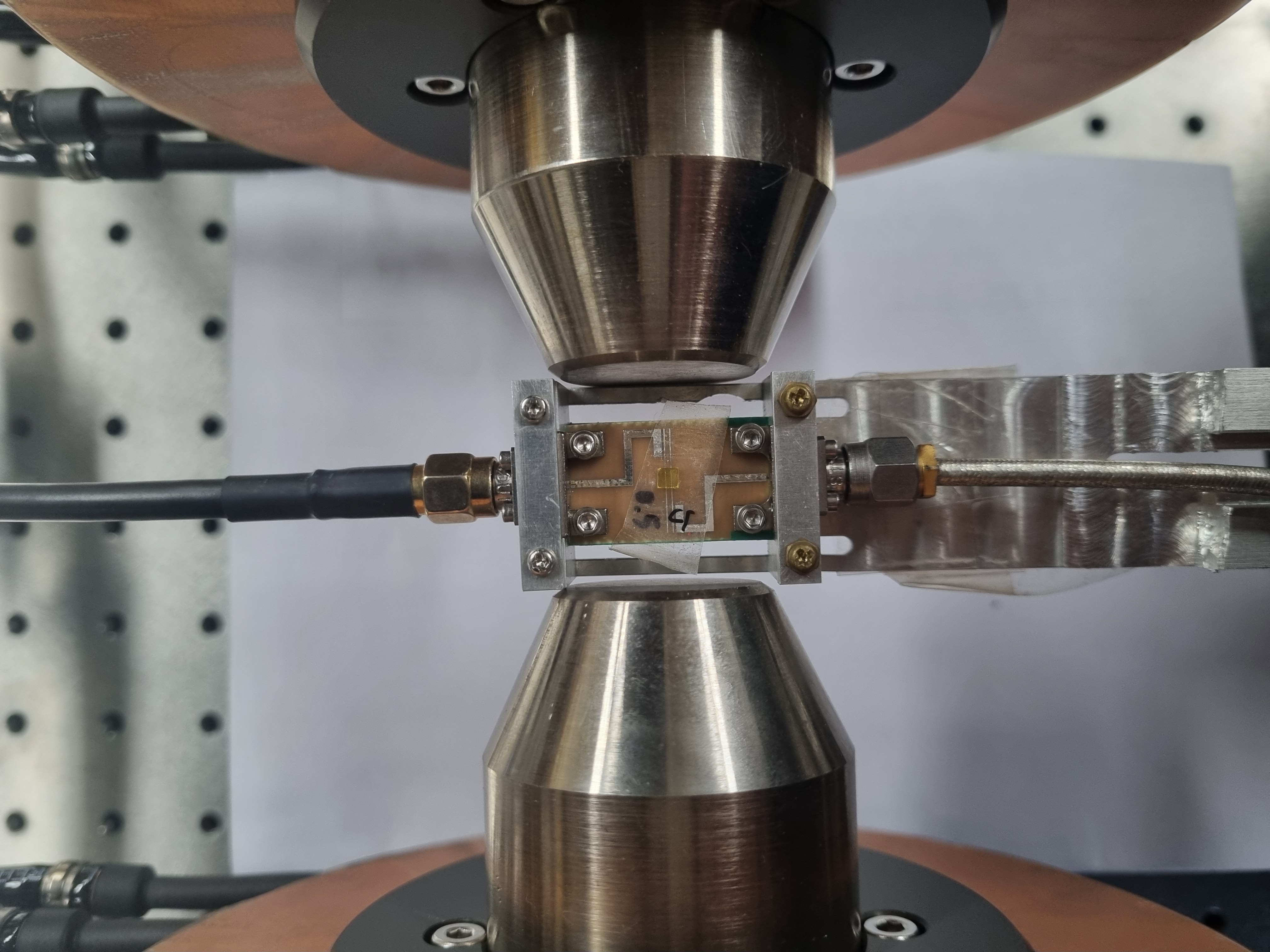
Key microwave equipment and electromagnets have been installed. The lab is now equipped with RF source & analyzer, lock-in measurement systems, electromagnet, sample stages, and an optical table area. Active measurements are in progress.
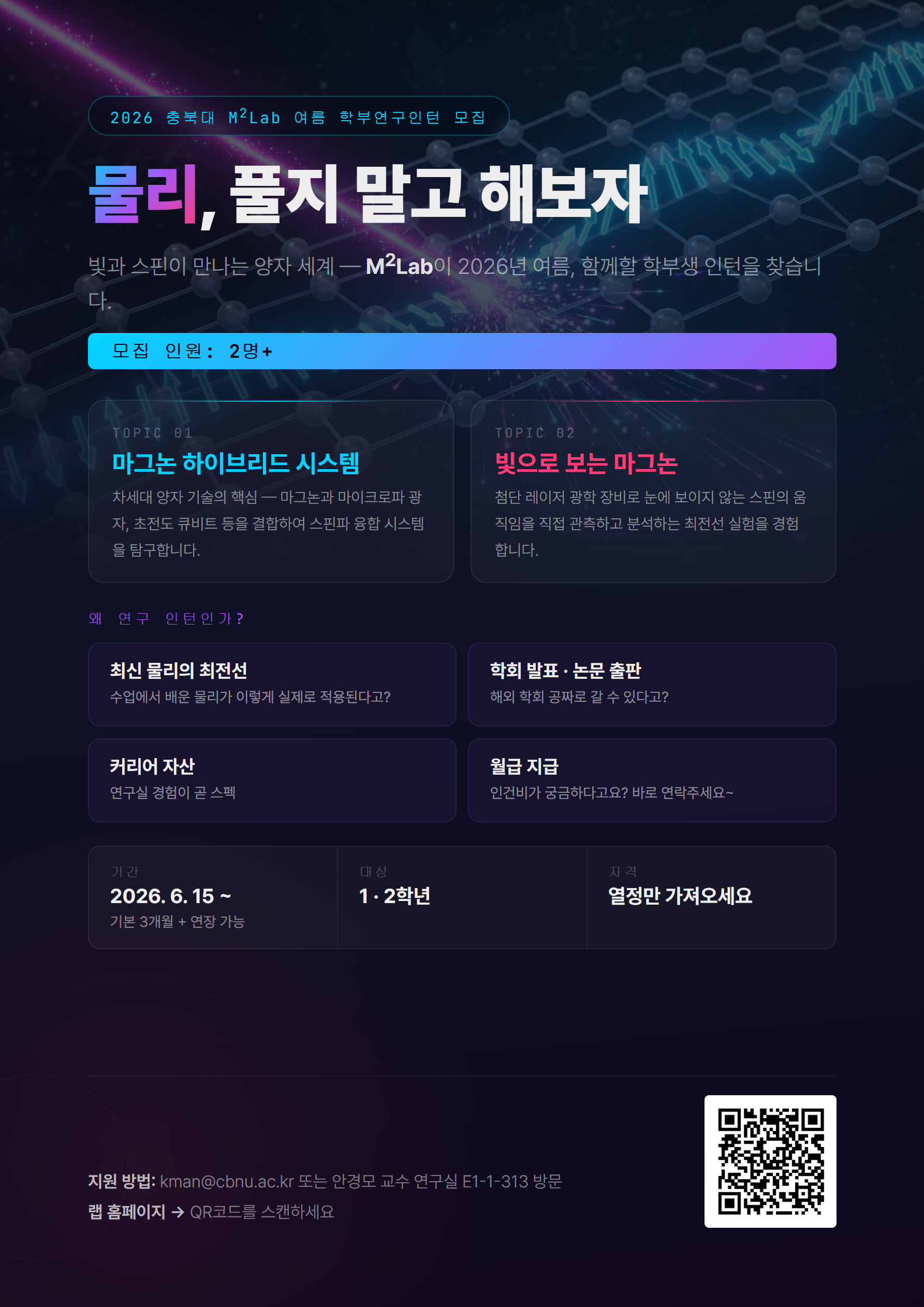
Our summer internship program kicks off this month, bringing students into hands-on research on microwave magnonics, spin-wave devices, and quantum interfaces.
Three-year funding (2025–2028) for "Magnon-Superconductor Quantum-Transduction Devices based on Chungcheong Open-Lab Foundation" has been awarded.
The Microwave Magnonics Lab officially begins operation in the Department of Physics Education at Chungbuk National University.
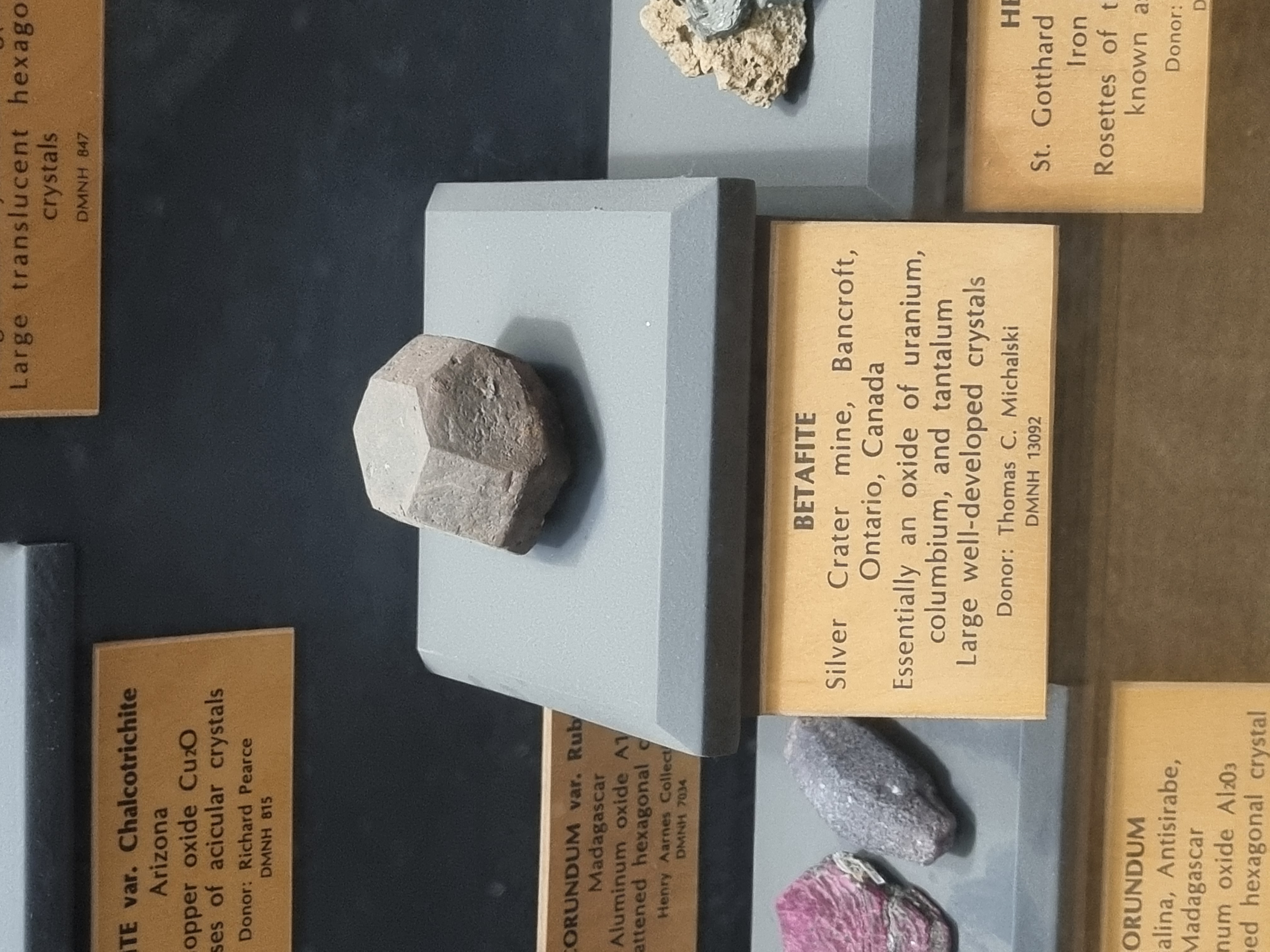
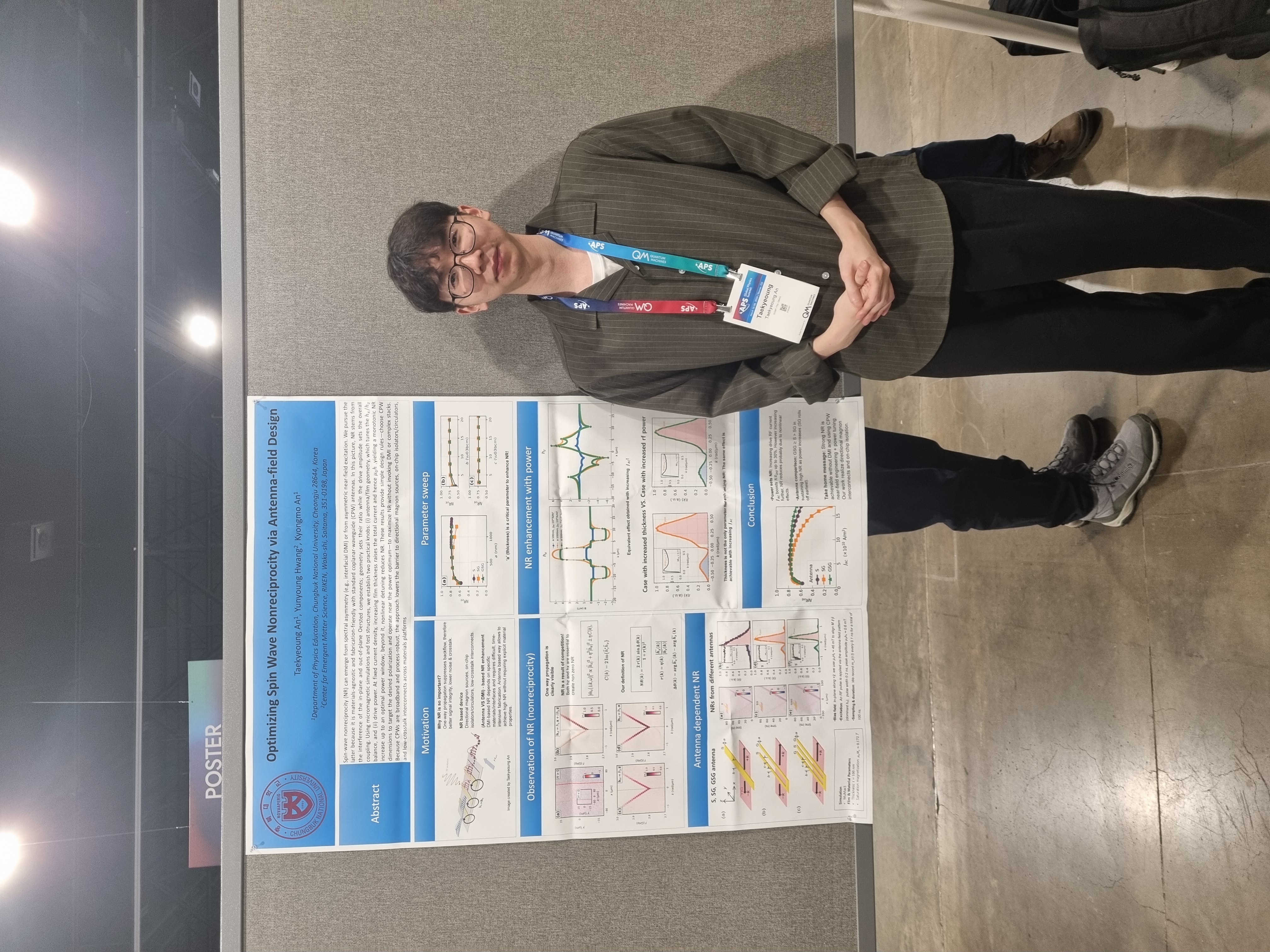
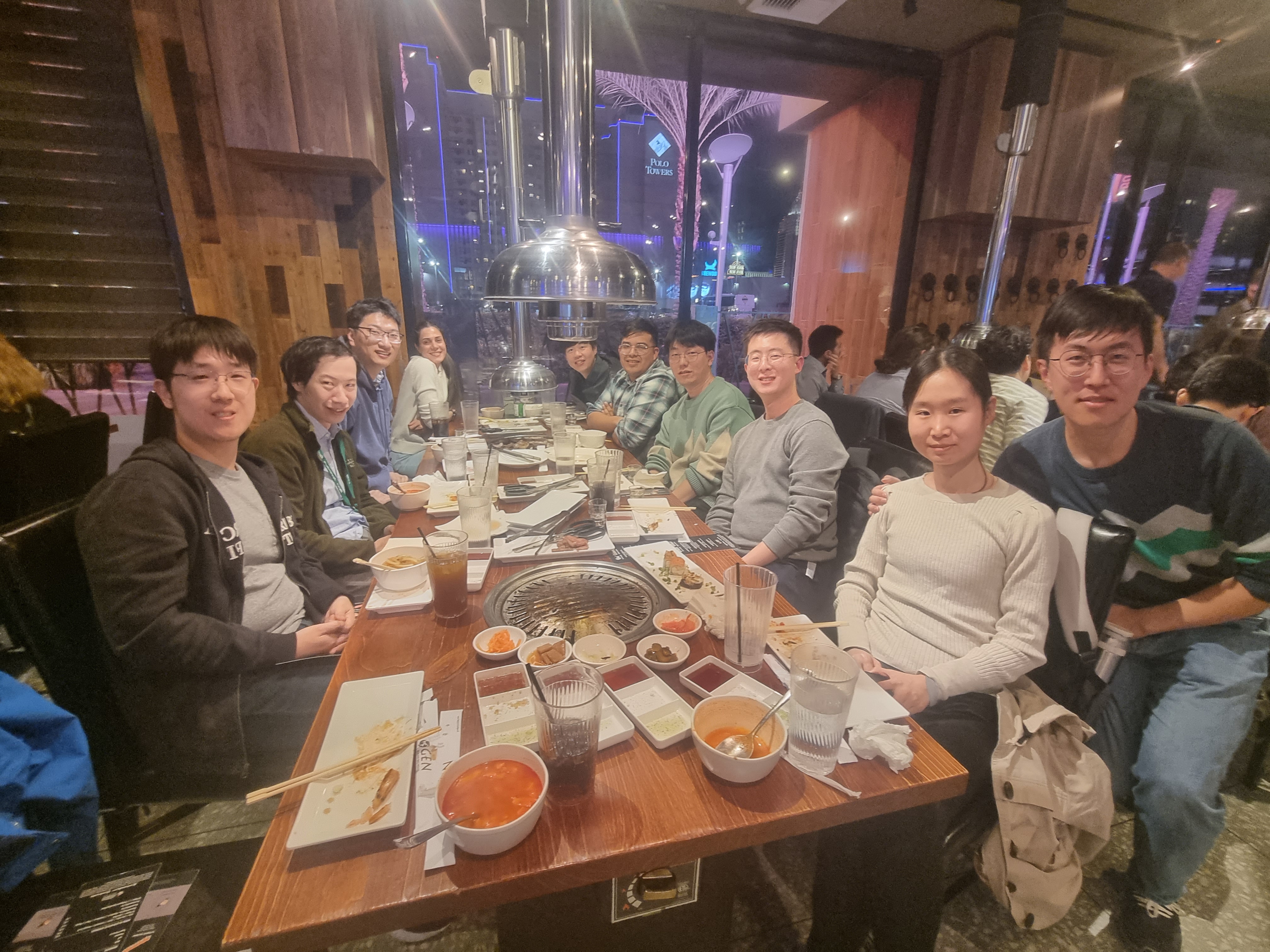
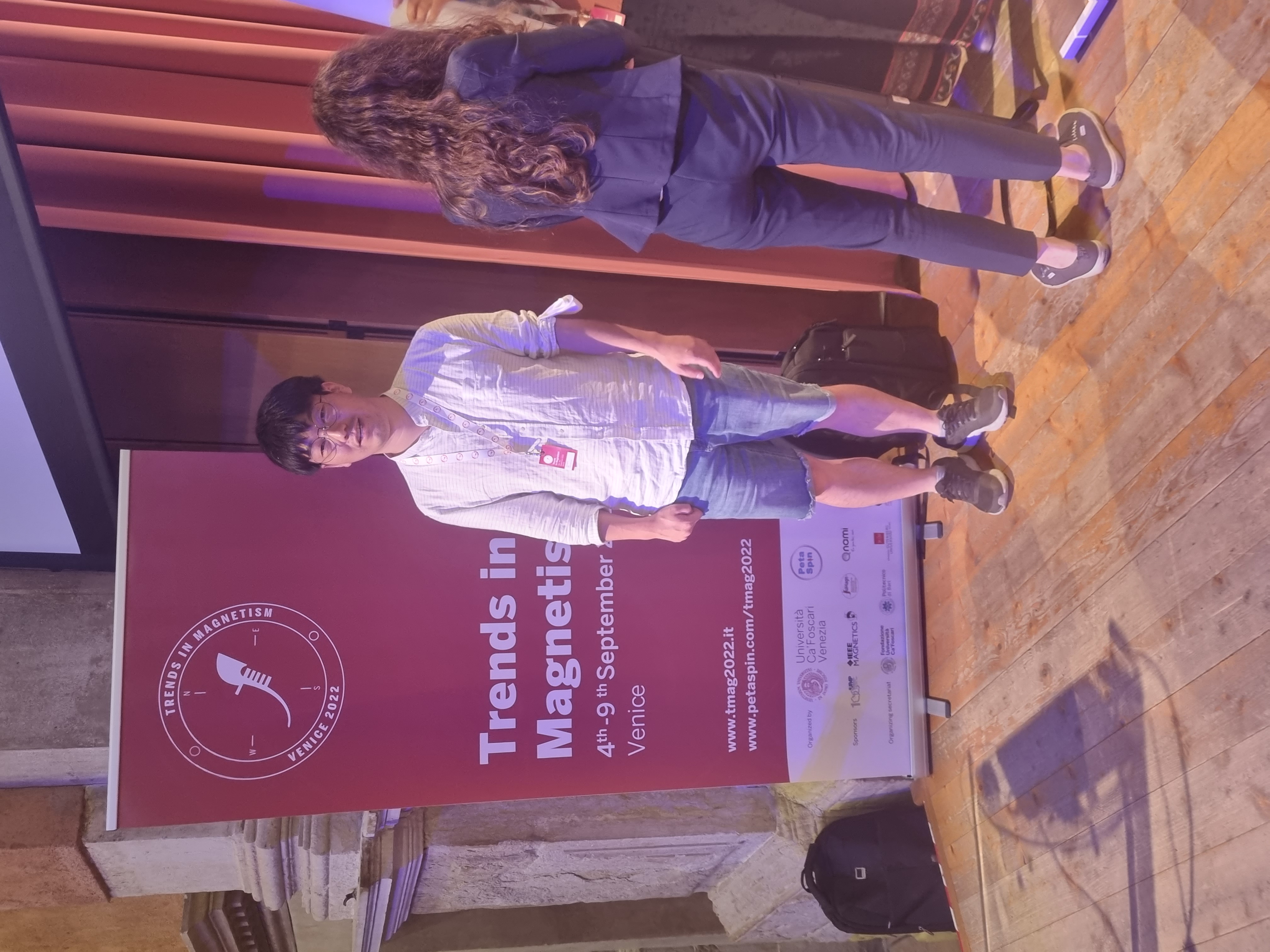
Conference presentations, lab work, and collaborative visits.
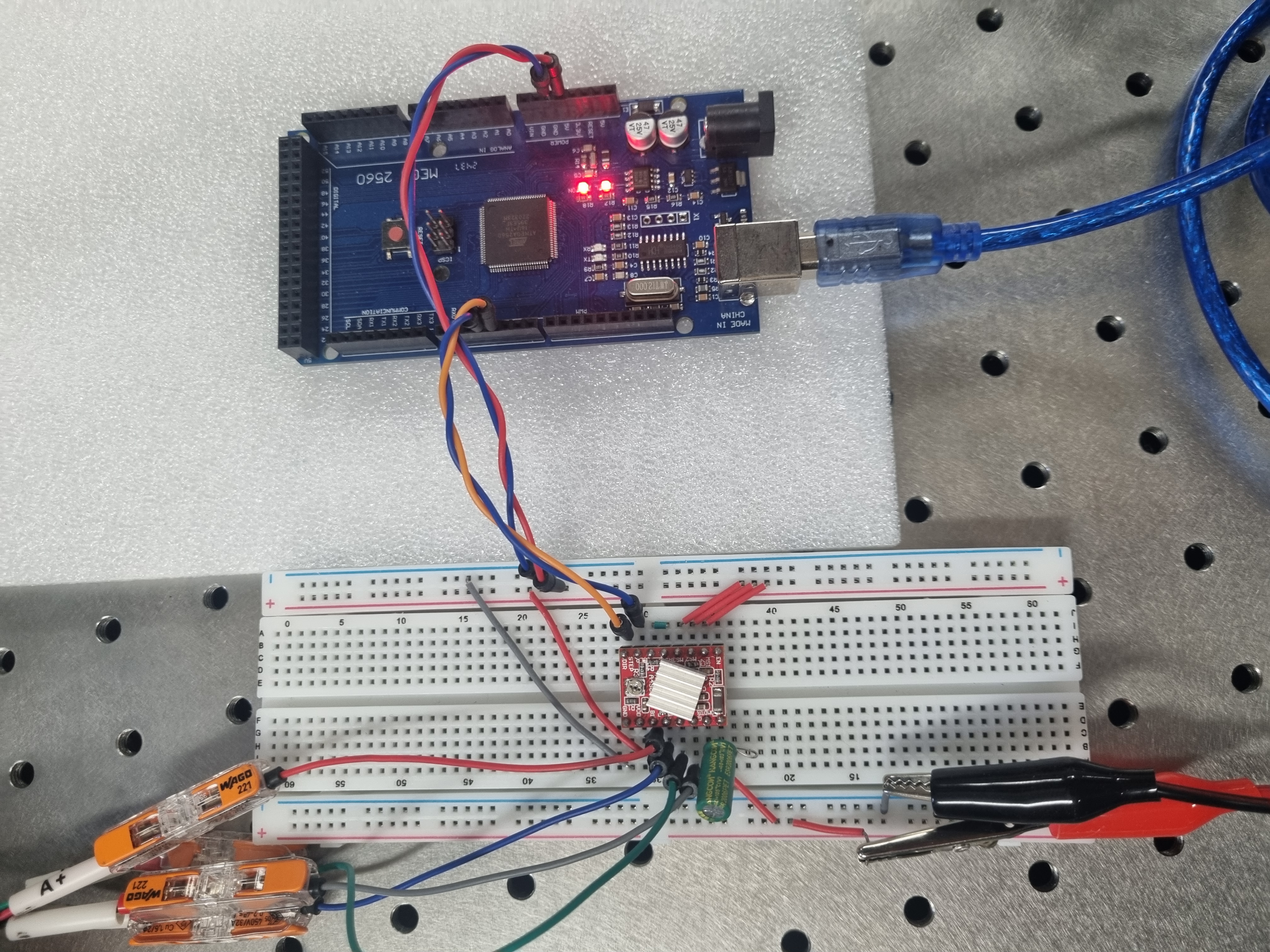
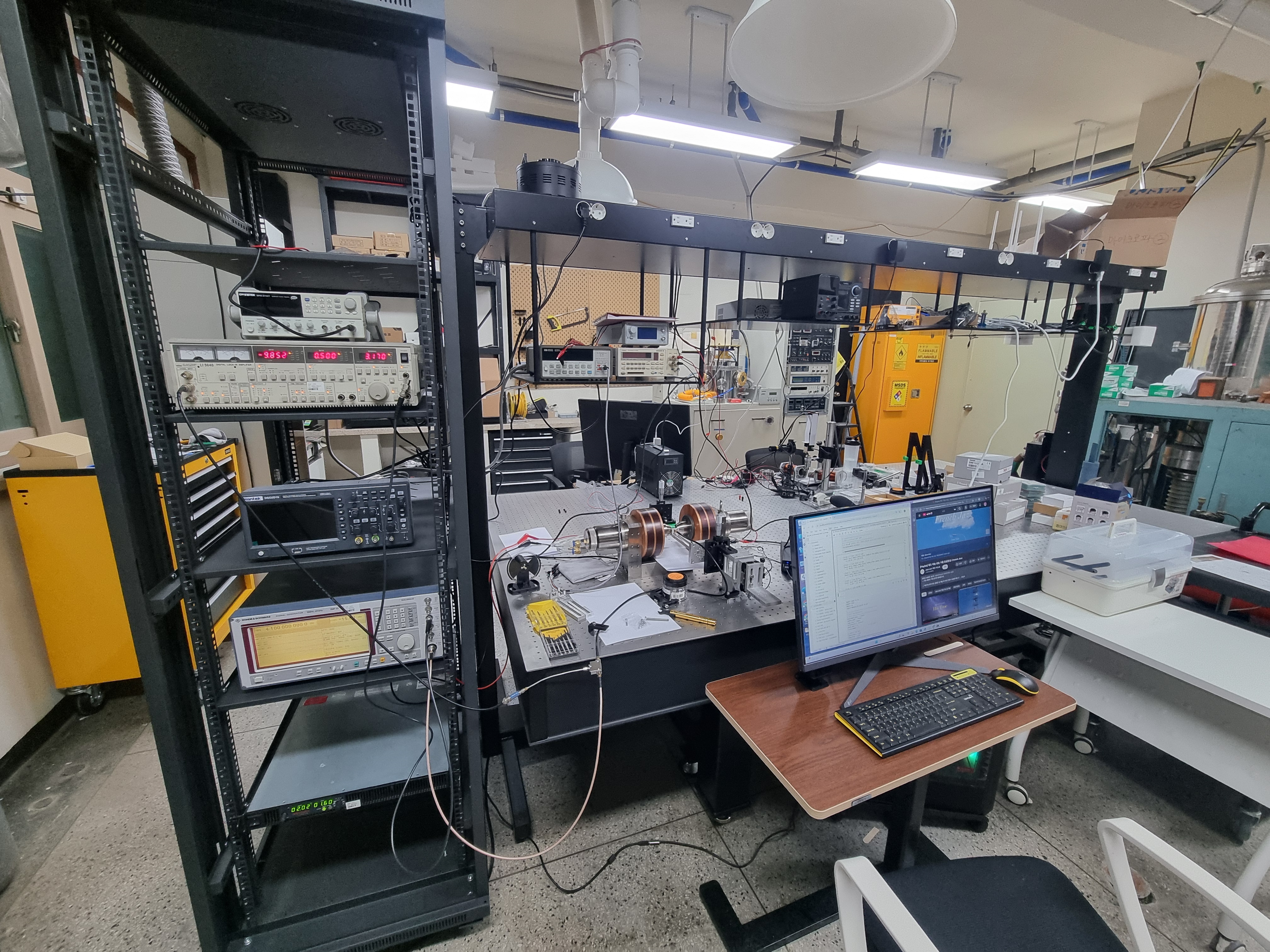
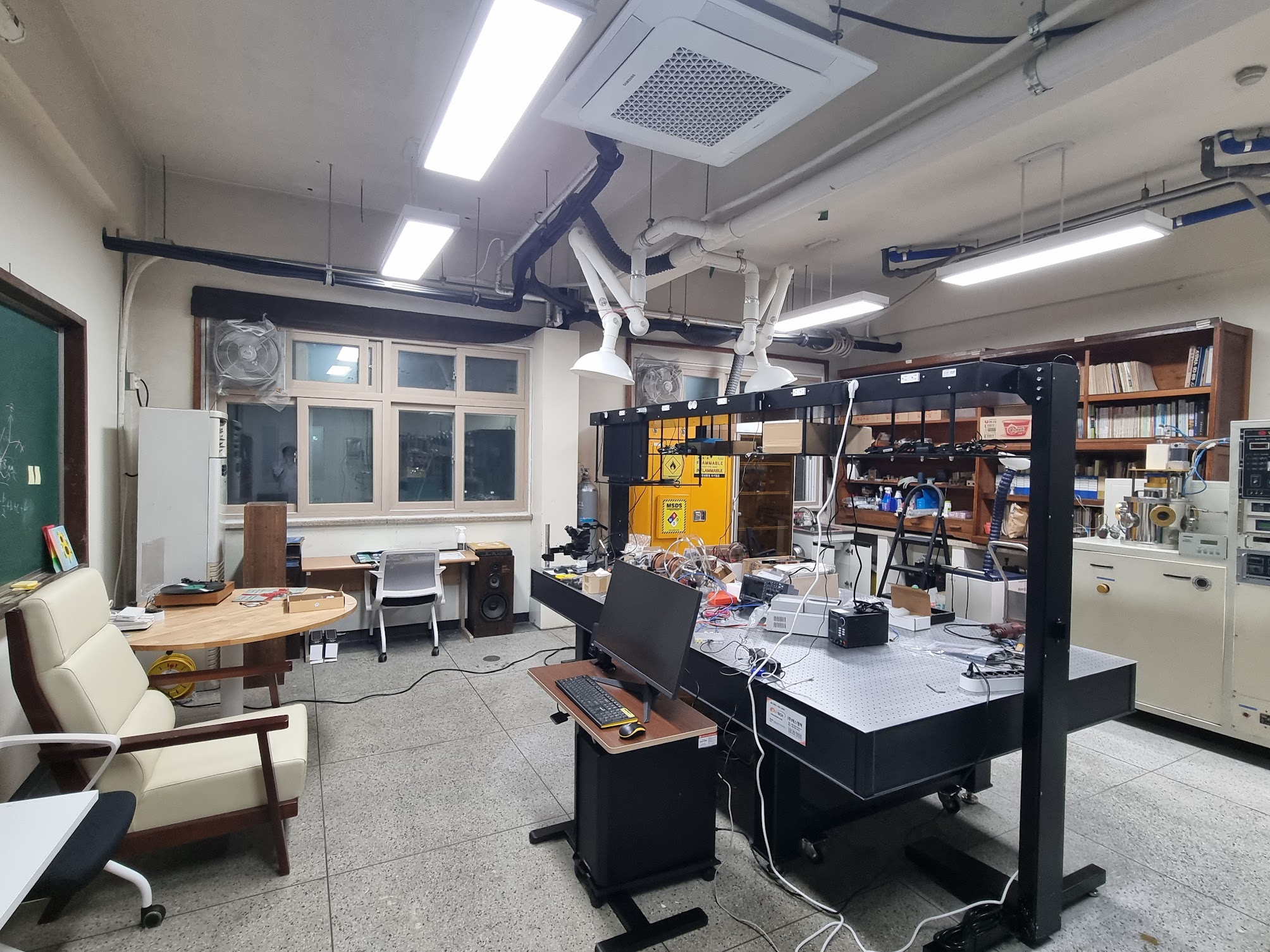
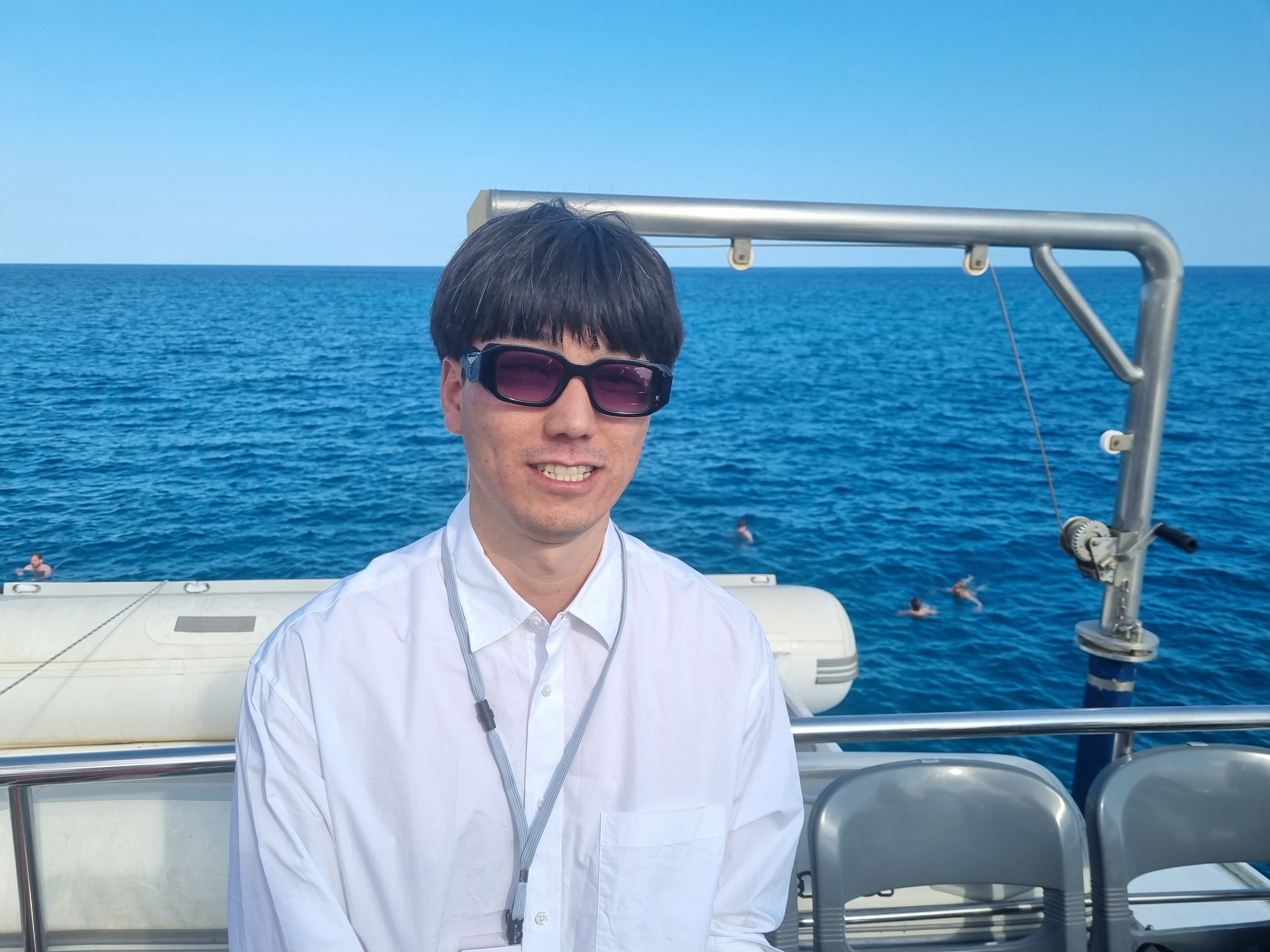
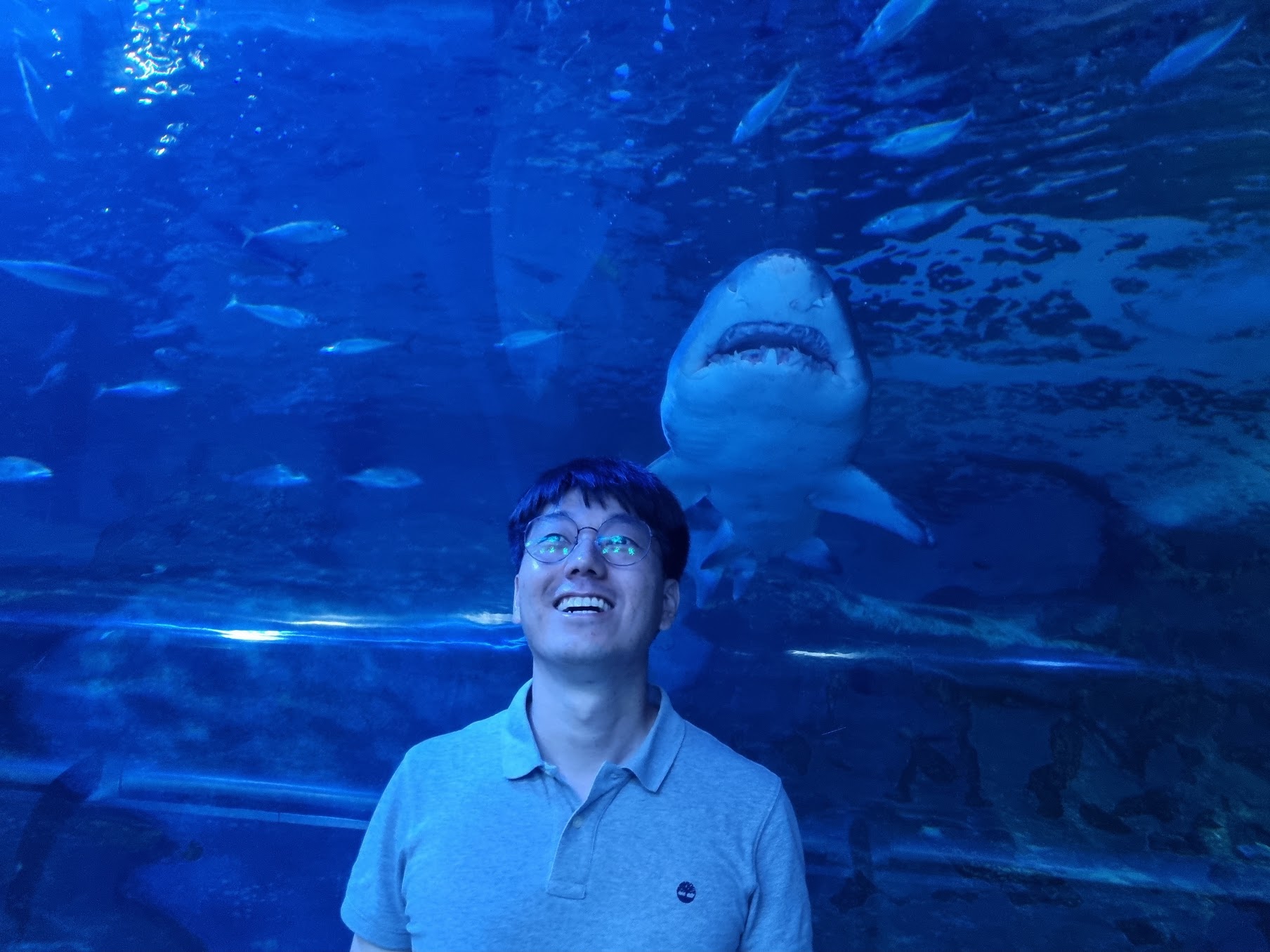
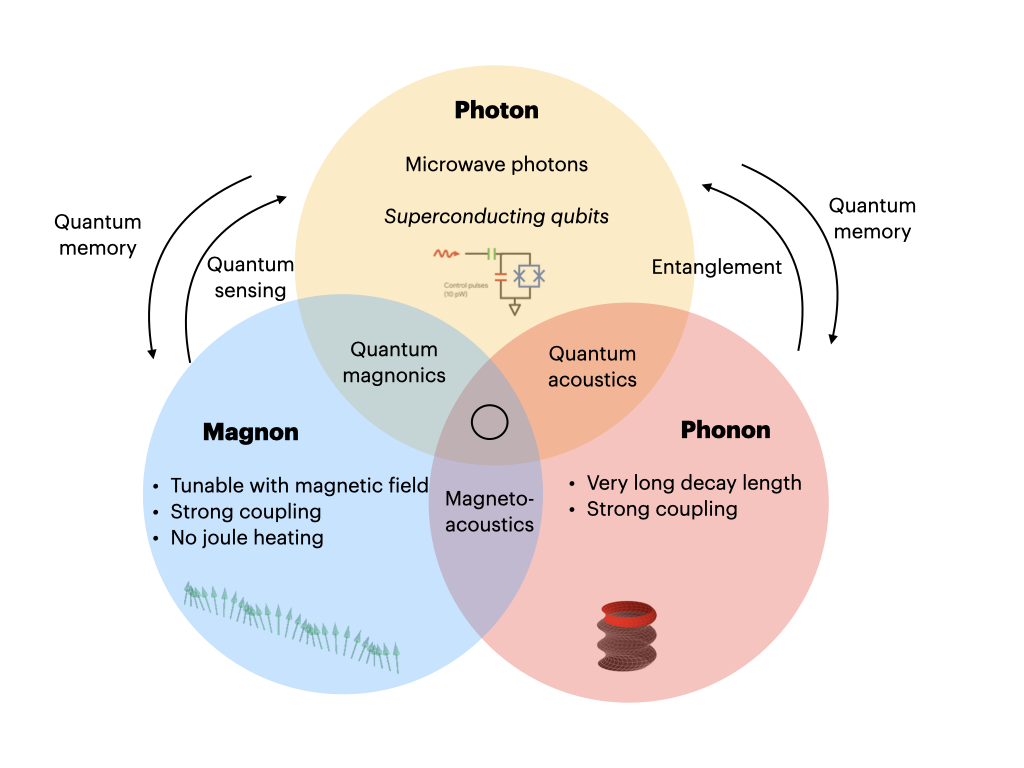
We study how spin waves (magnons) interact with phonons, photons, and electric currents in the microwave regime, to build next-generation devices for quantum information, neuromorphic computing, and spin-based signal processing.
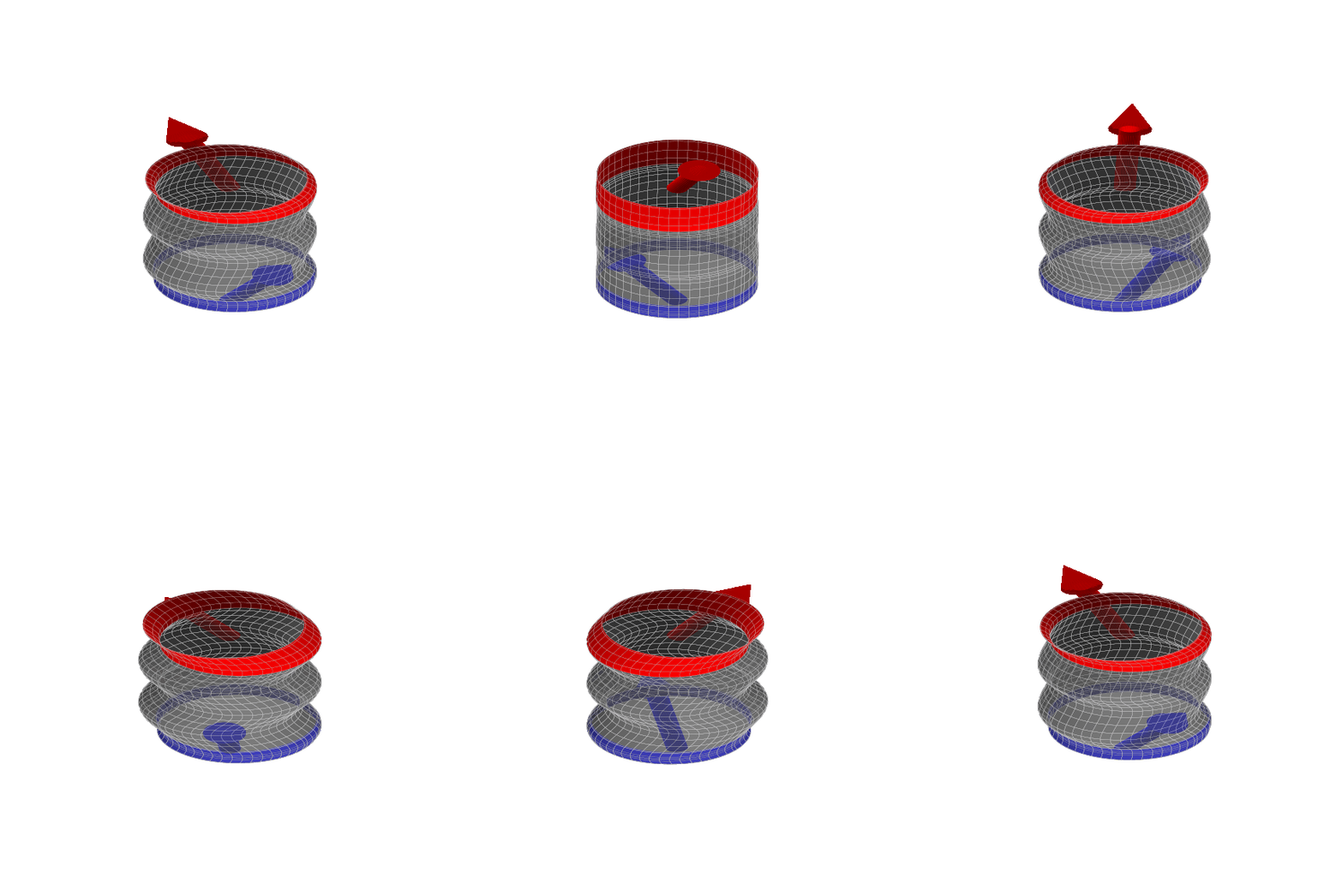
Coherent interaction between magnons and phonons in engineered platforms. Vibrational modes mediate long-range magnon coupling and energy transport.
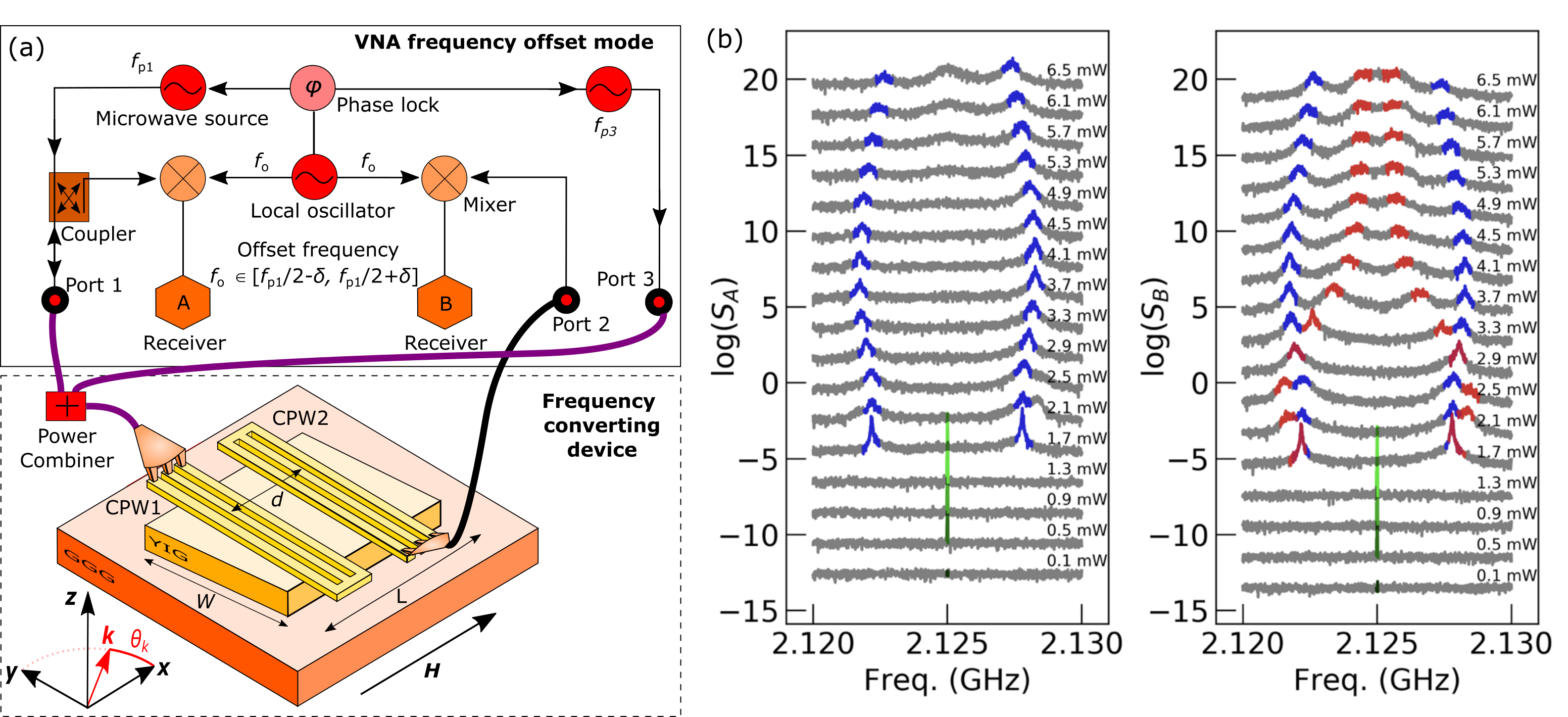
Spin-wave devices that perform logic operations and emulate neural functions using nonlinear magnon interactions.
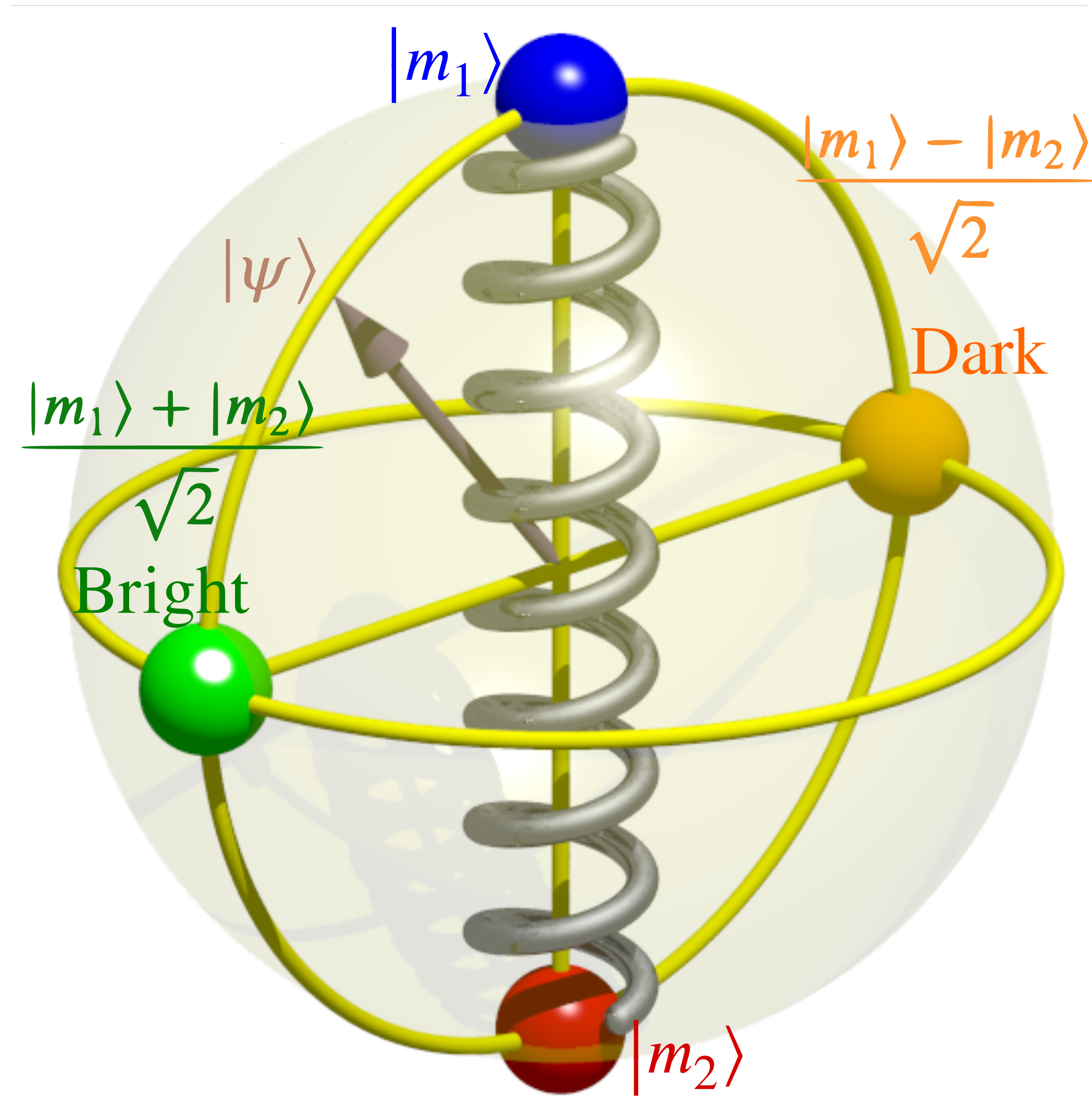
Hybrid quantum systems and information transfer at GHz frequencies, toward quantum communication and quantum sensing.
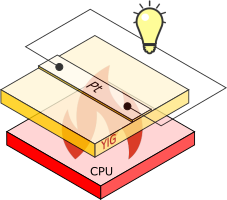
Spin and heat interactions — thermally driven spin currents, nonlocal heat transfer via magnons and phonons, energy-efficient spin-based devices.
Building a regional Open-Lab infrastructure for cryogenic quantum transduction between superconducting qubits and magnonic systems, including magnon squeezed state generation.
Part of the Information Technology Research Center program at CBNU, developing magnon-based device platforms for next-generation quantum sensing technologies.
Frontier research on quantum-like magnon dynamics, spin-phonon interactions, and low-dissipation information transport using engineered phononic structures.
†Corresponding Author *Equal Contributions
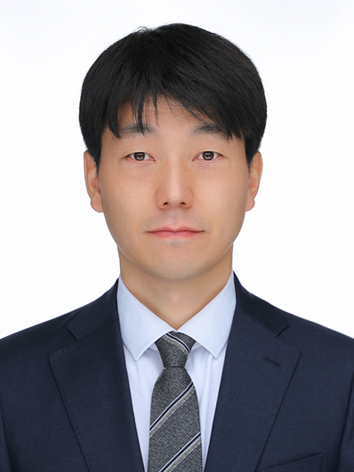
Assistant Professor, Dept. of Physics Education, CBNU
kman@cbnu.ac.kr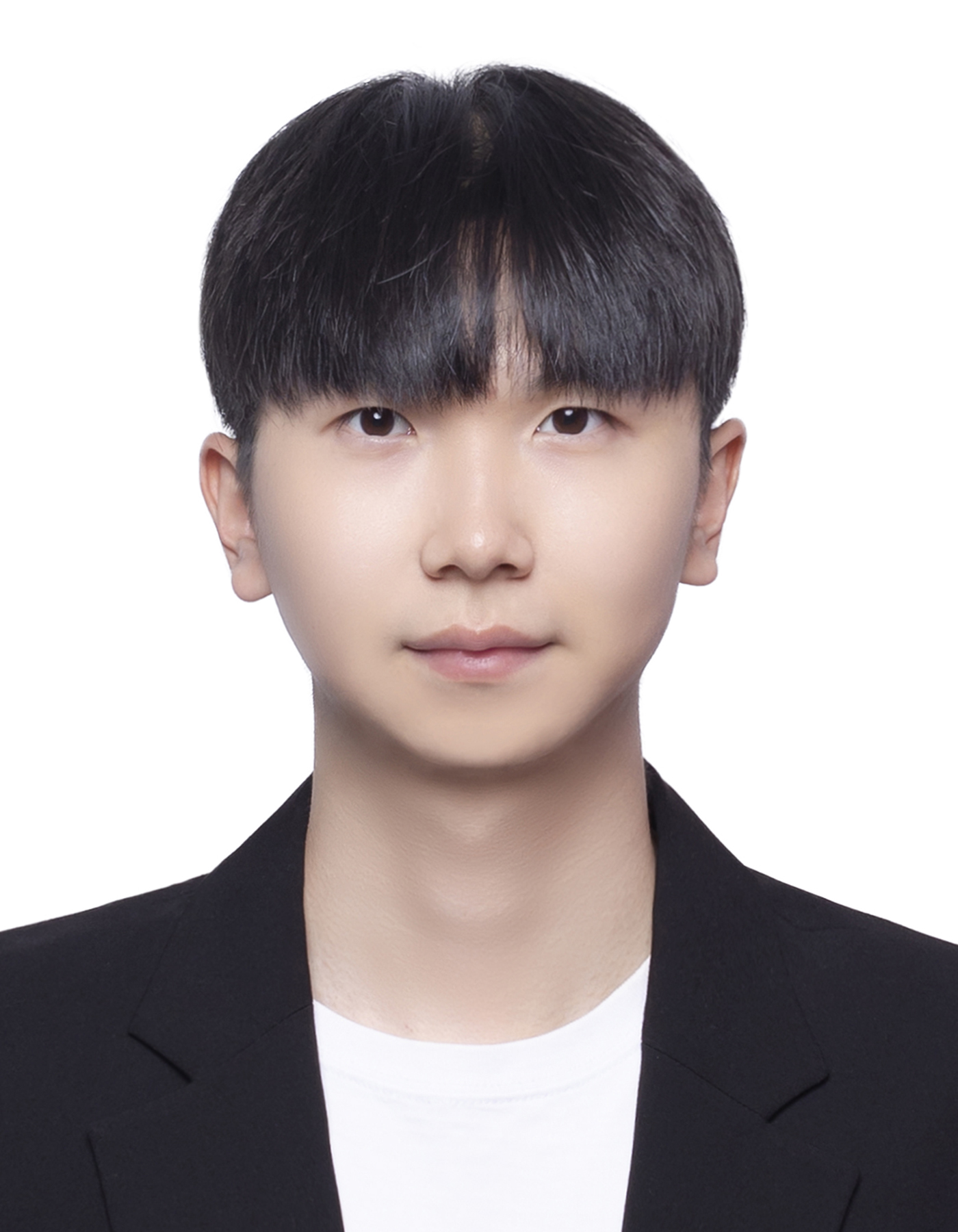
Research: Micromagnetic Simulation
tk4214@naver.comB.S. Kangwon National University
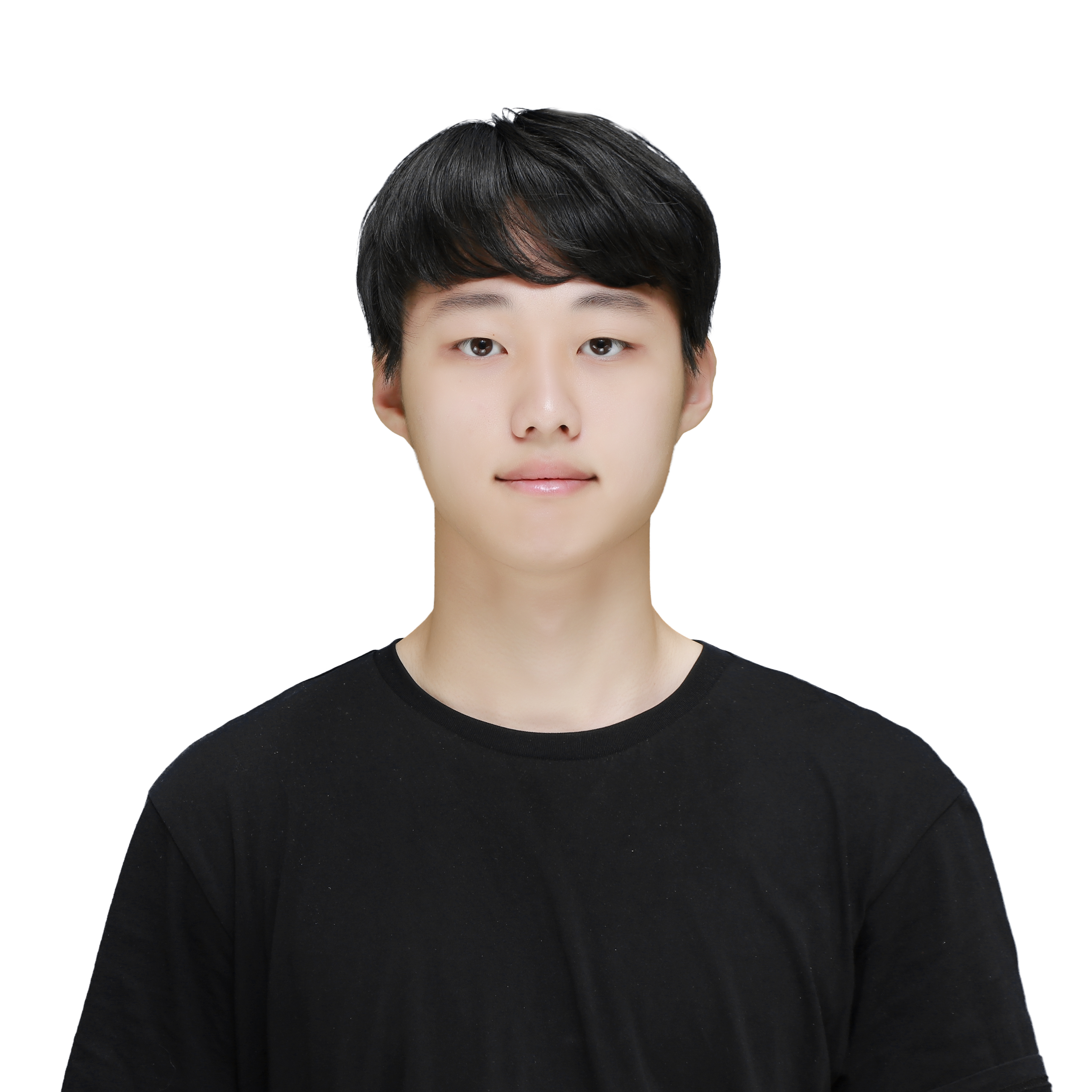
Interest: Physics Education / Magnonics
chanwoo204@gmail.comB.S. Student, CBNU
Interactive demos and short physics notes from the lab.
Compute B and H fields for a rectangular-cross-section conductor using Biot–Savart multi-filament summation.
Open CalculatorFourier/sine-wave synthesis with live audio playback, phase-locked time-domain scope, and spectrum view.
Open DemoVisualization of normal modes and energy exchange in a coupled-oscillator system.
Open DemoSame electromagnetism, different mechanisms — dielectric loss vs. eddy currents, and why aluminum doesn't work on an induction cooktop.
Read NoteA kitchen-physics note on surface area, supercooling, and the Mpemba effect — the strange hours between a cup of water and a cup of ice.
Read NoteInstrumentation note on controlling the NF BP4610 bipolar power supply using the JEMIMA USB488 protocol — what worked, what didn't.
Read NoteAccidentally deleted a file? This tool helps bring it back — a real lifesaver when one wrong click turns into a nightmare. Windows executable.
Download (.exe)Email: kman@cbnu.ac.kr
Address: E1-1-313, Department of Physics Education, Chungbuk National University, Cheongju, Republic of Korea
Undergraduates, graduate students, and postdocs curious about spintronics, magnonics, microwave measurements, or quantum interfaces are encouraged to reach out. Research experience is not required — you only need passion.